
Work is performed by independent professionals.
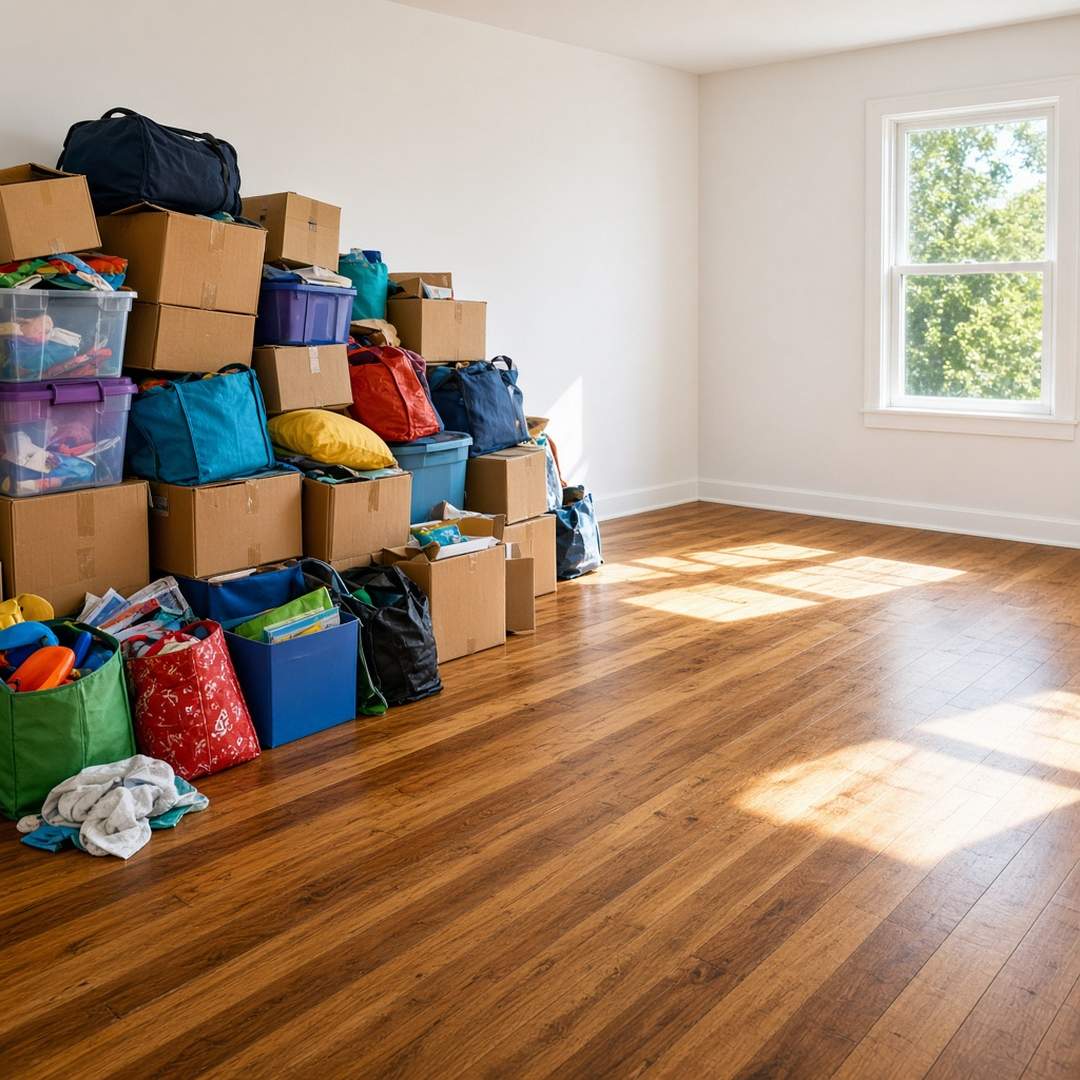
Hoarding cleanup combines property cleanout — removing accumulated possessions, furniture, and debris — with biohazard remediation where biological contamination is present. Severe hoarding situations frequently involve pest infestation, mold growth, human or animal waste, and structural damage from years of accumulation. This free referral service connects Snohomish County property owners, families, and landlords with independent providers who specialize in hoarded property restoration.
Work is performed by independent professionals.
Levels of Hoarding Cleanup
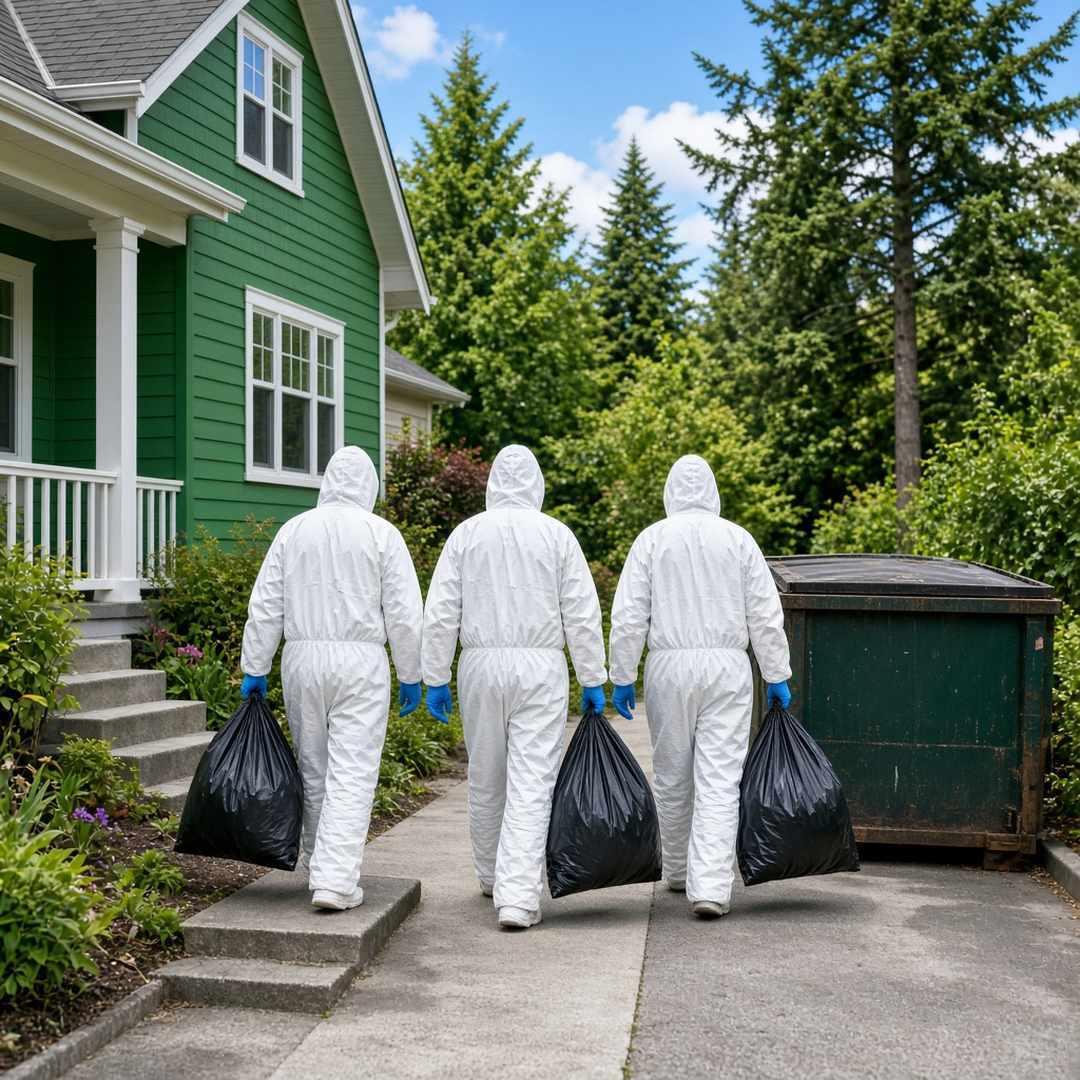
The Institute for Challenging Disorganization uses a five-level scale for hoarding situations. Level 1 situations involve modest clutter with no biohazard concerns and can sometimes be addressed with standard junk removal. Level 3–5 situations involve significant accumulation, structural damage, pest infestation, and biological contamination requiring professional biohazard remediation.
Most hoarding cleanup calls to this service involve Level 3 or higher — situations where the accumulation has created health and safety hazards that go beyond what standard cleanout services address. Providers assess the situation on arrival and advise on appropriate remediation scope.
What Hoarding Cleanup Involves
Sorting and inventory: Families frequently want to review accumulated possessions before disposal. Providers can sort and stage items for family review before removing anything. Valuables, documents, medications, and sentimental items are identified and set aside.
Debris removal: Accumulated possessions, furniture, and debris are removed in volume. A Level 4–5 hoarding situation may require multiple dumpster loads. Snohomish County waste disposal rates apply for debris that cannot be donated or recycled.
Biohazard remediation: Where human or animal waste, decomposition, or blood is present, EPA-registered disinfection protocols are applied following physical removal.
Pest management: Active infestations — rodents, cockroaches, fleas — require treatment before and after cleanout. Providers coordinate with licensed pest control where active infestation is present.
Mold assessment: Hoarded properties frequently have mold growth in areas obscured by accumulation. Mold discovered during cleanout is assessed and remediated according to appropriate protocols.
Structural assessment: Years of accumulation can damage floors, walls, and structural members. Providers identify structural concerns during cleanout.
Costs for Hoarding Cleanup
Hoarding cleanup costs more than standard cleanout because of the biohazard component and labor intensity. Fixr reports national averages of $1,000–$4,500 for standard hoarding cleanout; situations requiring biohazard remediation run $3,000–$10,000. HomeGuide cites similar ranges. Snohomish County disposal fees for waste volumes involved in Level 4–5 situations add to overall costs.
Standard homeowner's insurance does not typically cover hoarding cleanup because the accumulation occurred over time rather than as a sudden event. Landlord insurance may cover some remediation costs when the tenant caused the hoarding condition — check your specific policy.