
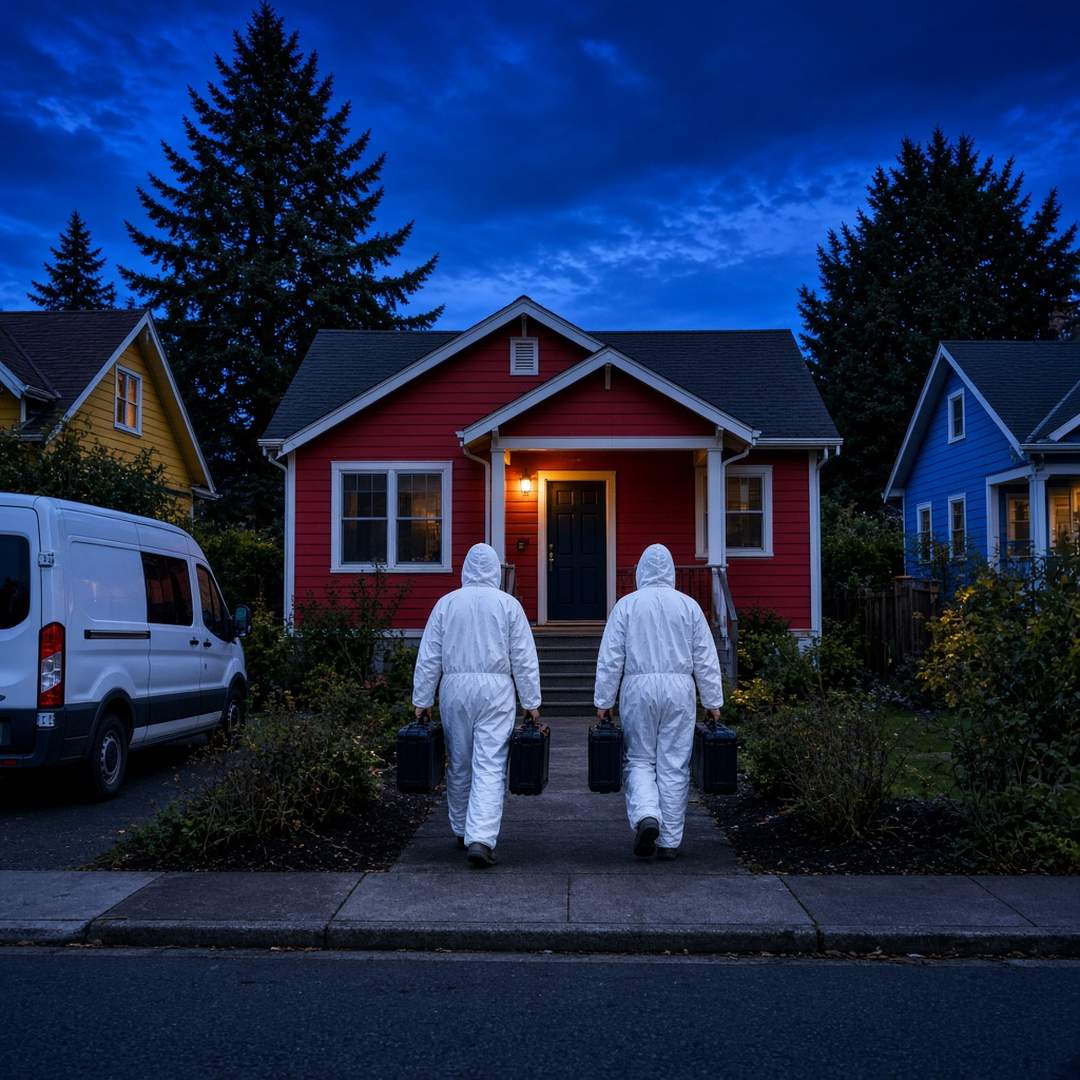
Work is performed by independent professionals.
Crime scene cleanup in Everett requires providers who understand both the technical requirements of biological remediation and the procedural realities of coordinating with law enforcement and medical examiner offices. This free referral service connects Snohomish County property owners with independent contractors who specialize in post-crime scene restoration.
Work is performed by independent professionals.
When Law Enforcement Releases the Scene
No cleanup can begin until law enforcement releases the scene. In Snohomish County, scene investigation is handled by the Everett Police Department (for city incidents), the Snohomish County Sheriff's Office (for unincorporated county areas and smaller cities), or other jurisdictional agencies. The Snohomish County Medical Examiner's Office at 3020 Rucker Ave, Everett, handles all death investigations countywide.
Scene release timelines vary. A homicide investigation may hold a scene for 24–72 hours or longer. Property owners should not attempt to enter or clean an unreleased scene. When you call [PHONE], providers can confirm availability and walk through what to expect after release.
What Crime Scene Cleanup Involves
Crime scene contamination typically involves blood, tissue, and bodily fluids deposited through violence — gunshot wounds, stabbing, blunt force trauma, or other violent incidents. Contamination patterns vary significantly: a high-velocity incident spreads biological material across walls, ceilings, and HVAC systems, while a contact-only incident may have a more contained footprint.
Providers assess the full contamination zone — not just what is visible — using chemical reagents and alternate light sources that reveal biological material invisible to the naked eye. In Everett's older housing stock, particularly wood-framed homes built before 1980, penetration into subfloors and wall cavities is common and requires structural assessment before the full scope of work is determined.
The Restoration Process
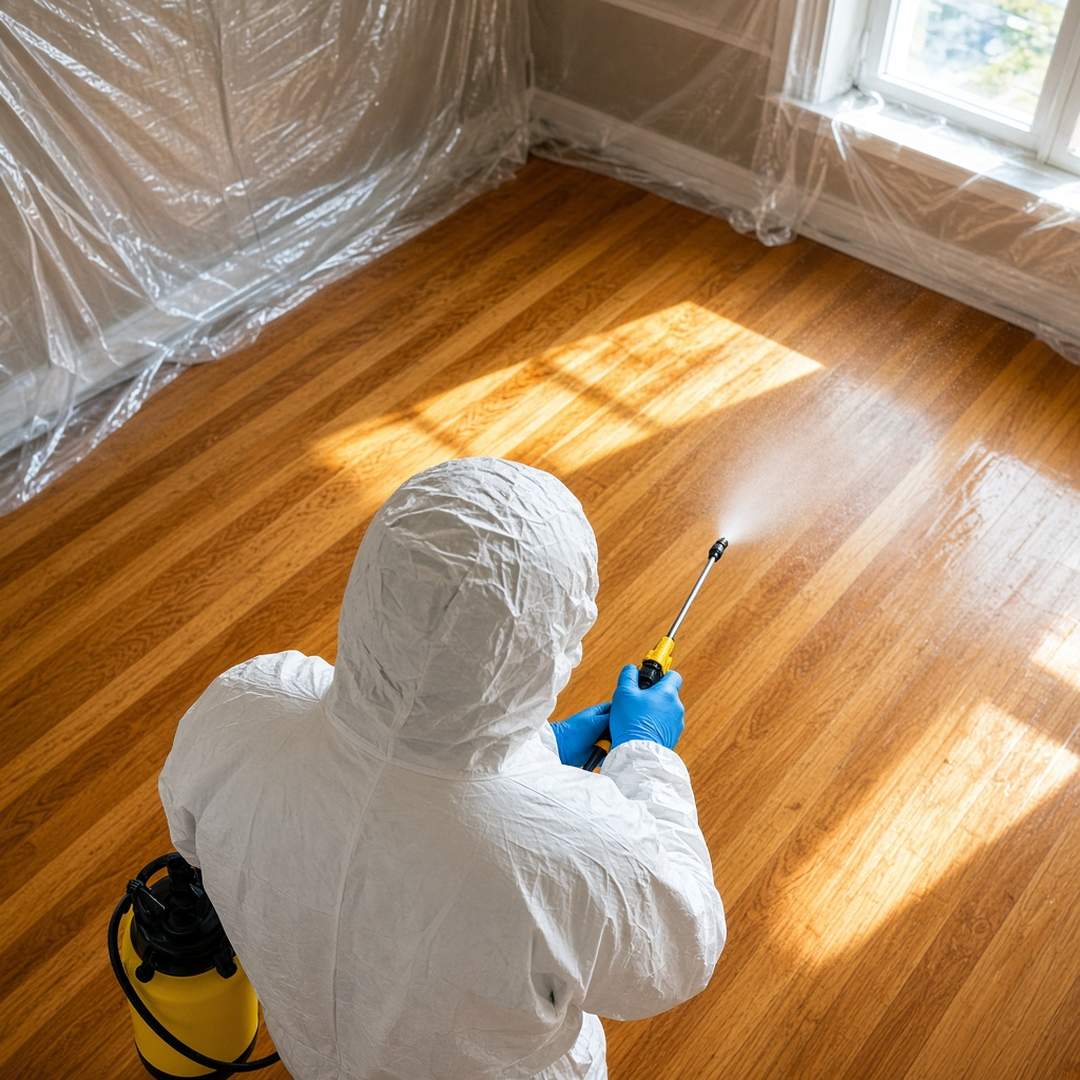
Assessment and documentation come first. Providers photograph and document the scene for insurance and CVCP purposes before any material is disturbed. Containment barriers go up to protect unaffected areas. Personal protective equipment meeting OSHA Bloodborne Pathogen Standard (29 CFR 1910.1030) requirements is worn throughout.
Biological material is removed using specialized absorbents. Porous materials that cannot be decontaminated are removed as regulated medical waste and disposed of through licensed facilities. Structural materials with deep contamination — subfloor sections, drywall — are removed and disposed of where necessary.
All surfaces in the contamination zone are treated with EPA-registered disinfectants with documented dwell times. Odor treatment using thermal fogging or hydroxyl generation addresses VOC contamination in surrounding materials. Final documentation includes waste disposal manifests and itemized invoicing.
Cost and Insurance
Fixr places crime scene cleanup between $1,500 and $25,000 nationally depending on scope, with most residential scenes falling in the $3,000–$10,000 range. HomeGuide cites similar ranges, noting that large-scale incidents with ceiling and wall contamination and structural removal requirements represent the upper end.
Standard homeowner's insurance covers crime scene cleanup as a sudden and accidental loss. The Washington Crime Victims Compensation Program provides additional assistance for qualifying victims of violent crime. The CVCP covers out-of-pocket costs not paid by insurance — deductibles, costs above policy limits, and expenses insurance excludes. Providers serving Everett can supply CVCP-compatible documentation.