Work is performed by independent professionals.
Biohazard cleanup in Everett requires specialized training, EPA-registered disinfectants, and licensed medical waste disposal. Biological contamination — blood, bodily fluids, tissue, and pathogen-bearing material — cannot be safely remediated with household cleaning products. This free referral service connects Snohomish County property owners with independent contractors who hold the equipment, training, and waste disposal credentials the job requires.
Work is performed by independent professionals.
What Qualifies as a Biohazard Situation
Biohazard cleanup covers any situation involving biological material that poses an infection risk. Common scenarios at Everett and Snohomish County properties include unattended deaths, violent crime scenes, suicide cleanup, infectious disease contamination, needle and sharps accumulation, and sewage backups involving human waste.
The common thread is bloodborne pathogen exposure risk. HIV, hepatitis B, and hepatitis C survive on surfaces for hours to days outside a host. Cleanup without proper PPE, containment, and chemical dwell times does not eliminate that risk — it relocates it. Professional remediation eliminates the pathogen load from the property and documents the work for insurance and health department purposes.
The Biohazard Cleanup Process
Scene assessment: Providers assess visible contamination, test for subsurface penetration using alternate light sources and chemical reagents, and document the scope. In older Everett homes — the 1940s through 1960s construction common in neighborhoods like Riverside, Pinehurst, and South Everett — biological material frequently penetrates through carpet and vinyl into wood subfloors, requiring structural assessment before cleanup pricing is finalized.
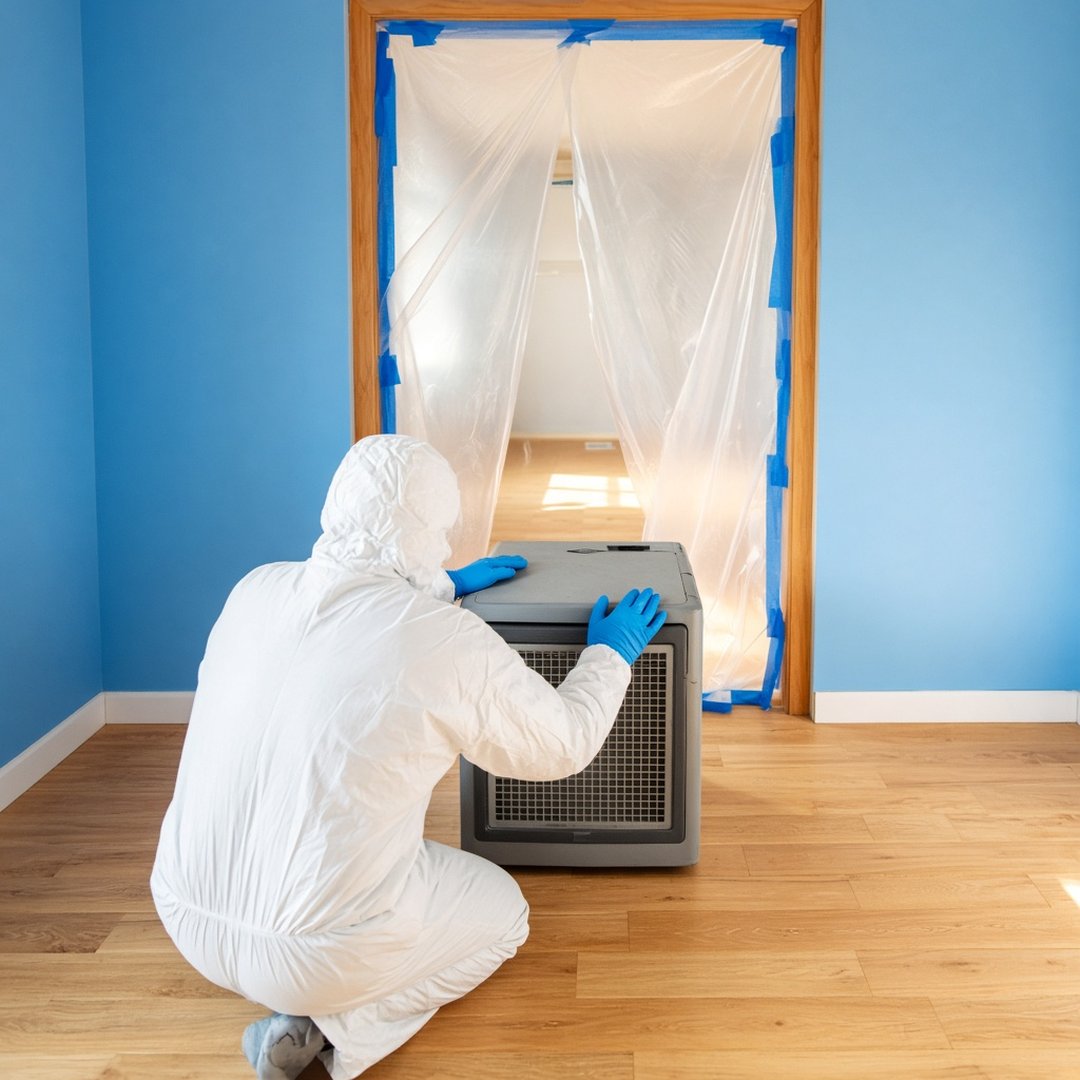
Containment: Affected areas are sealed with plastic sheeting. HVAC vents are closed and covered to prevent airborne spread. In multi-unit properties, neighboring units may be assessed for contamination pathways through shared walls or ductwork.
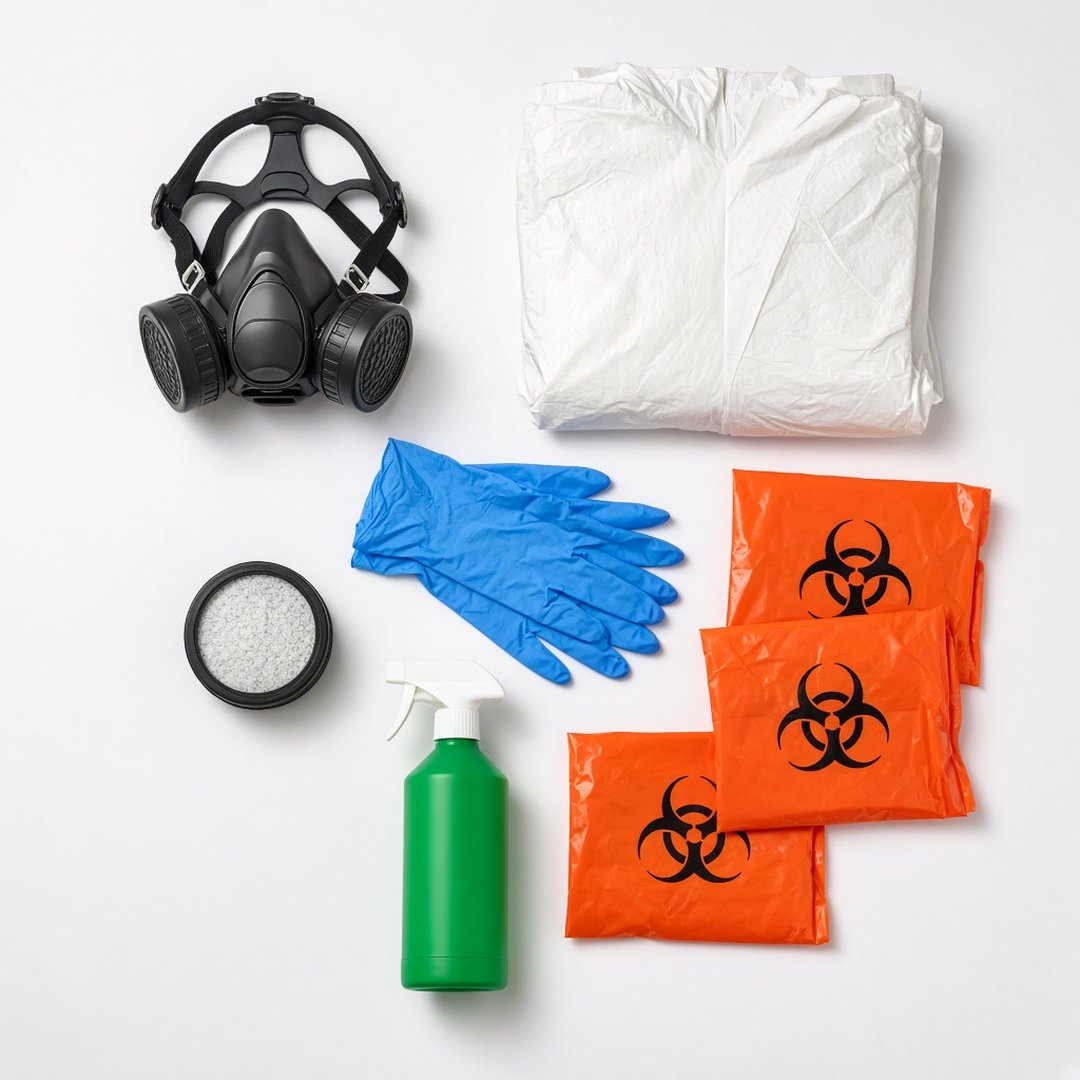
Personal protective equipment: All technicians wear Tyvek suits, nitrile gloves (double-gloved), N95 or higher respirators, and eye protection. PPE selection is matched to the pathogen risk and contamination type.
Biological removal: Contaminated material is removed using specialized absorbents and EPA-registered cleaning agents. Porous materials that cannot be decontaminated — carpet, padding, upholstered furniture, mattresses — are removed and bagged as regulated medical waste.
Surface decontamination: EPA-registered hospital-grade disinfectants are applied to all affected and potentially affected surfaces. Dwell times are strictly observed — disinfectants must remain wet on surfaces for the contact time specified by the manufacturer to achieve effectiveness against bloodborne pathogens.
Odor treatment: Decomposition produces volatile organic compounds that bond to porous building materials. Thermal fogging, hydroxyl generators, or ozone treatment addresses residual odor after physical cleanup is complete.
Documentation: Providers supply written scope of work, waste disposal manifests, before/after photographs, and itemized invoicing compatible with insurance claims and Washington Crime Victims Compensation Program (CVCP) submissions.
What Biohazard Cleanup Costs in Snohomish County
National cost data from Fixr places biohazard remediation between $3,000 and $10,000 for a standard residential job, with an average around $4,500. HomeGuide reports similar ranges, noting that crime scene and unattended death scenarios with structural penetration frequently run $5,000 to $15,000 or more depending on the duration of decomposition and extent of damage.
Snohomish County Household Hazardous Waste disposal rates and regulated medical waste tipping fees at regional facilities add a locally-grounded cost component: licensed medical waste disposal runs $200–$600 per job depending on volume, and this cost is typically built into contractor invoicing rather than itemized separately.
Insurance coverage: Standard homeowner's policies in Washington cover biohazard cleanup as a sudden and accidental loss. Contact your insurer before authorizing cleanup work when possible. Request a claim number and ask whether an adjuster needs to assess the scene before remediation begins.
Washington CVCP: For biohazard situations resulting from violent crime, the Washington State Crime Victims Compensation Program (administered by the Department of Labor & Industries) provides financial assistance for qualifying out-of-pocket losses, including cleanup costs. The crime must be reported to law enforcement. Call 1-800-762-3716 or visit lni.wa.gov.